


Great design is often about utility, but truly iconic design is about emotion and imagination. The art movement Surrealism—famous for artists like Salvador Dalí and René Magritte—offers a powerful blueprint for creating digital experiences that are not just usable, but conceptually rich, memorable, and dreamlike.
This article explores six key principles of Surrealism and how they translate into modern UI and visual design, moving your work from functional to phenomenal.
6 Surrealist Principles to Transform Your Design
1. Negative Space: The Hidden Narrative
Surrealists masterfully used negative space to suggest multiple realities or hidden meanings.
- The Design Application: Use negative space strategically to create Visual Metaphor or an Optical Illusion. This adds an unexpected layer of depth, making users stop, look closer, and engage their intellect. Think of logos that use white space to hide a second symbol.

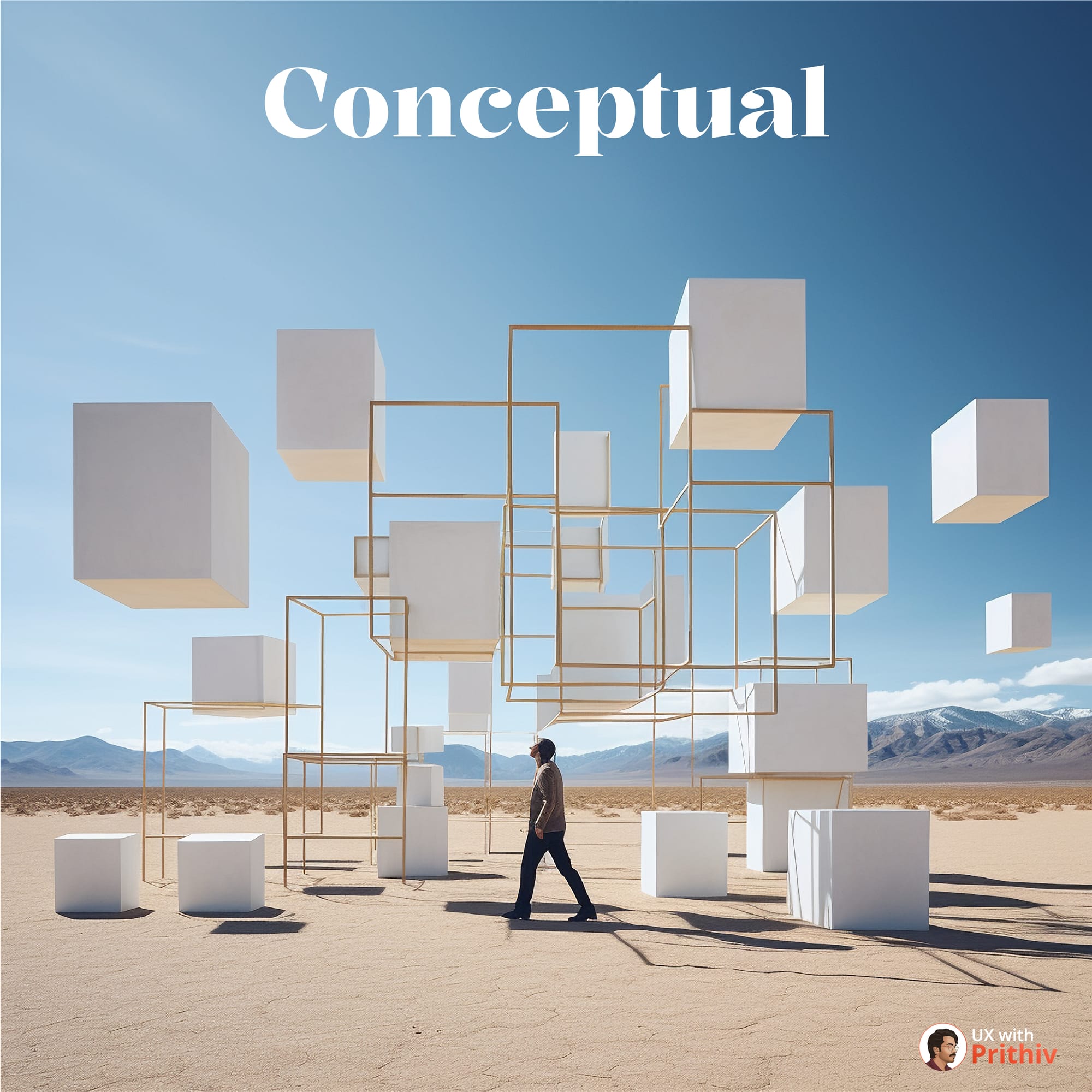
2. Conceptual: Design as Idea
Surrealism prioritized the idea (the concept) over the literal representation.
- The Design Application: Every design choice—from a button's color to an illustration—should be Conceptual. What core idea or feeling are you trying to convey? Focus on representing the function of a system rather than just illustrating the literal object.
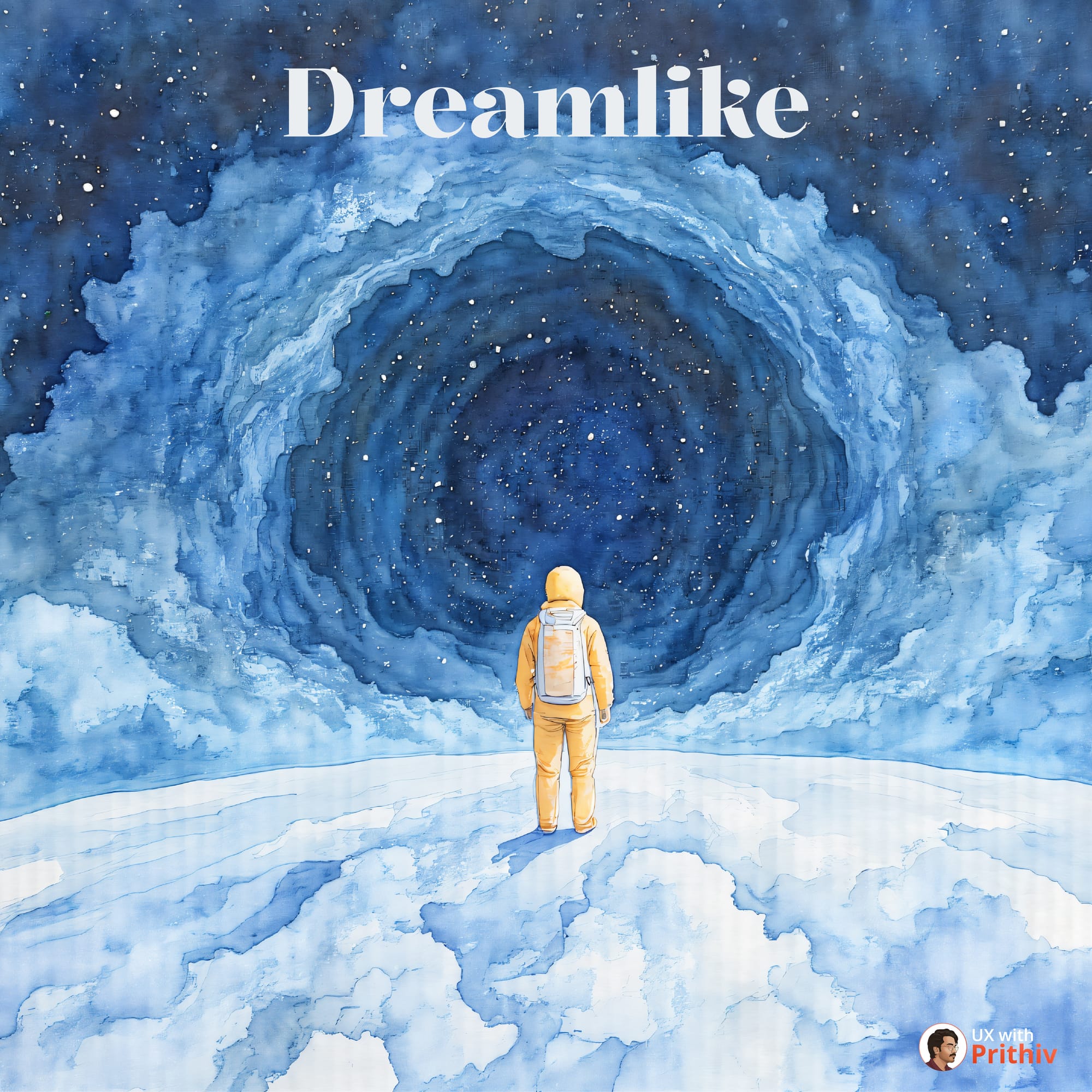
3. Dreamlike: Evoking Emotion and Wonder
The movement draws heavily from dreams, creating a sense of the uncanny, wonder, and escape.
- The Design Application: Employ Dreamlike visuals, colors, and textures. This is highly effective in branding where the goal is to create emotional resonance and a sense of mystique, often using soft lighting, unexpected juxtapositions, or a muted, Minimalist palette to focus attention.
4. Minimalist: Focusing the Imagination
While often complex in meaning, the composition of many surrealist works is surprisingly Minimalist. A few powerful objects placed in a stark environment force the viewer to focus on the impossible concept.
- The Design Application: Apply a Minimalist approach to your UI. Reduce clutter and allow the single, most important element (like a key visual or a primary CTA) to stand out, forcing user attention to the core interaction.

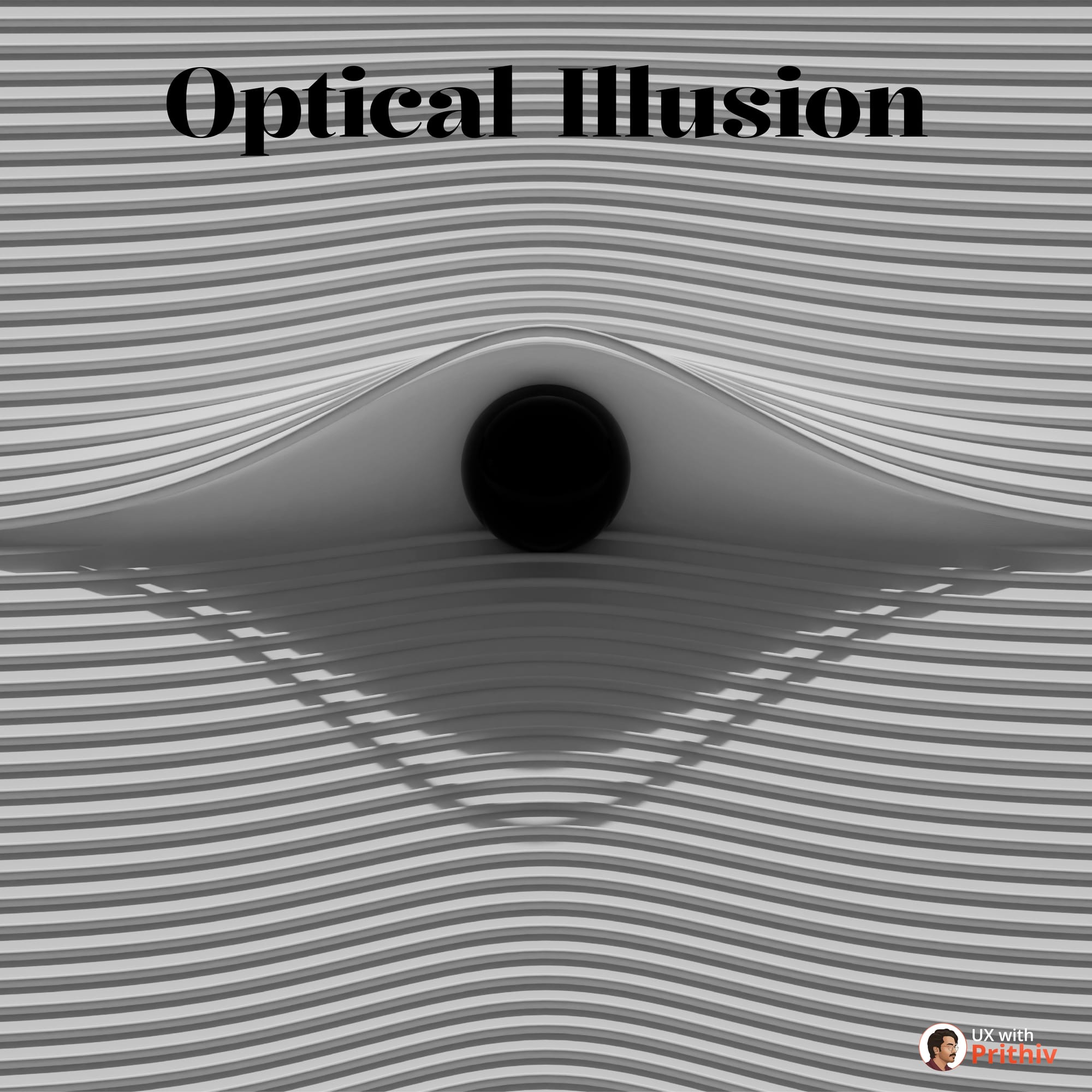
5. Optical Illusion: The Interactive Surprise
The play on perception forces the viewer to question reality.
- The Design Application: Introduce small Optical Illusions or intentional ambiguities in animations, transitions, or background elements. This injects a sense of fun and surprise, rewarding the user for exploring the interface.
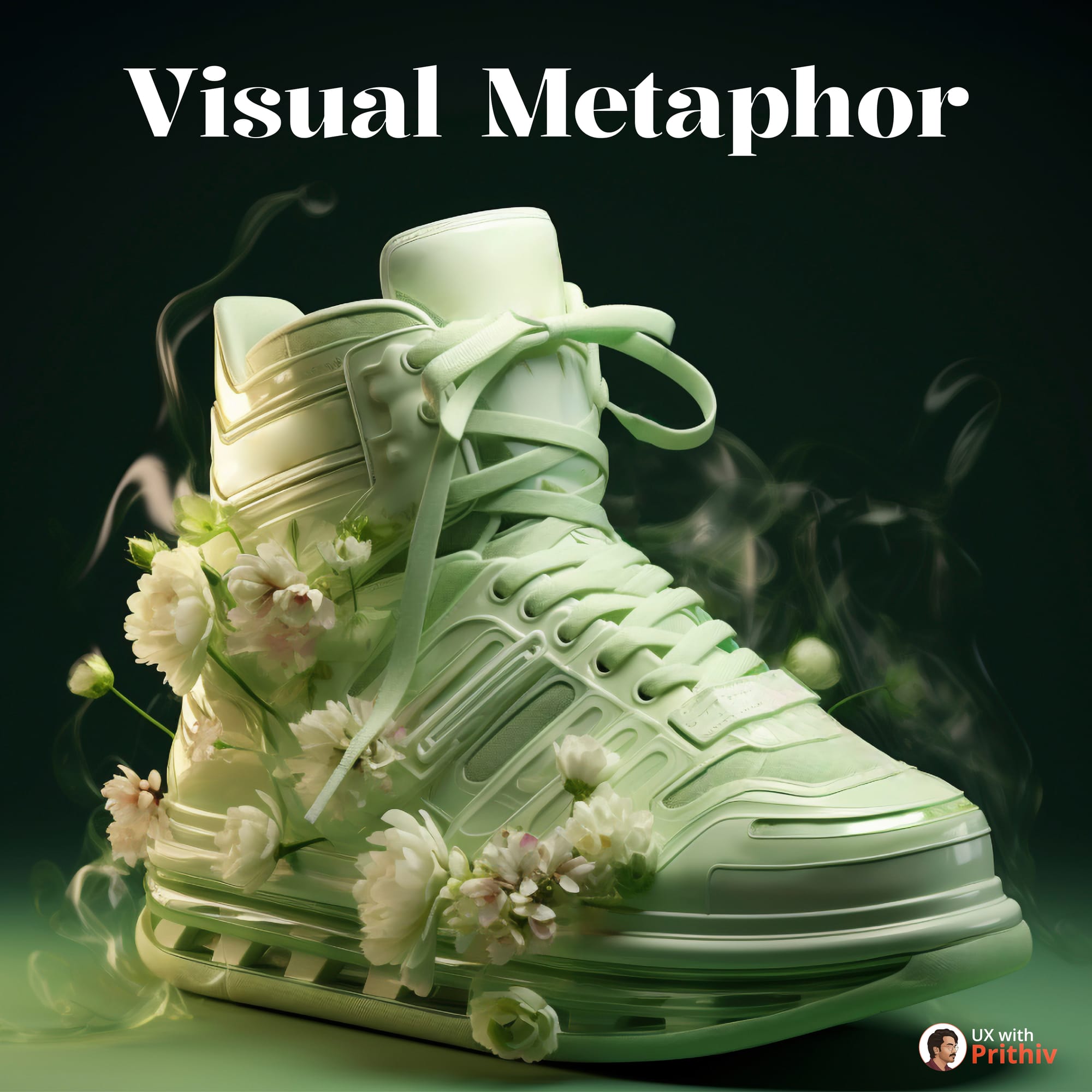
6. Visual Metaphor: Shortcuts to Understanding
Surrealists used familiar objects in unfamiliar ways to represent psychological ideas.
- The Design Application: Employ clear Visual Metaphors. A folded piece of paper for a document, a magnifying glass for search—these are simple metaphors. Surrealism pushes this further, using abstract, yet evocative, symbols to represent complex digital systems, making them instantly understandable on a subconscious level.
By integrating these surrealist principles, you can craft designs that not only function flawlessly but also possess an artistic depth that captures and retains user attention.


Comments