


The modern design landscape is evolving rapidly, and the most successful designers are those who embrace tools that streamline the transition from pixel to production. The "Designer's Toolbox" is no longer limited to just visual editors; it now includes advanced, AI-powered platforms that help bridge the gap between design and engineering, allowing designers to influence the final coded product directly.
Here are four essential AI-driven tools that are redefining creative workflow and enhancing designer productivity:
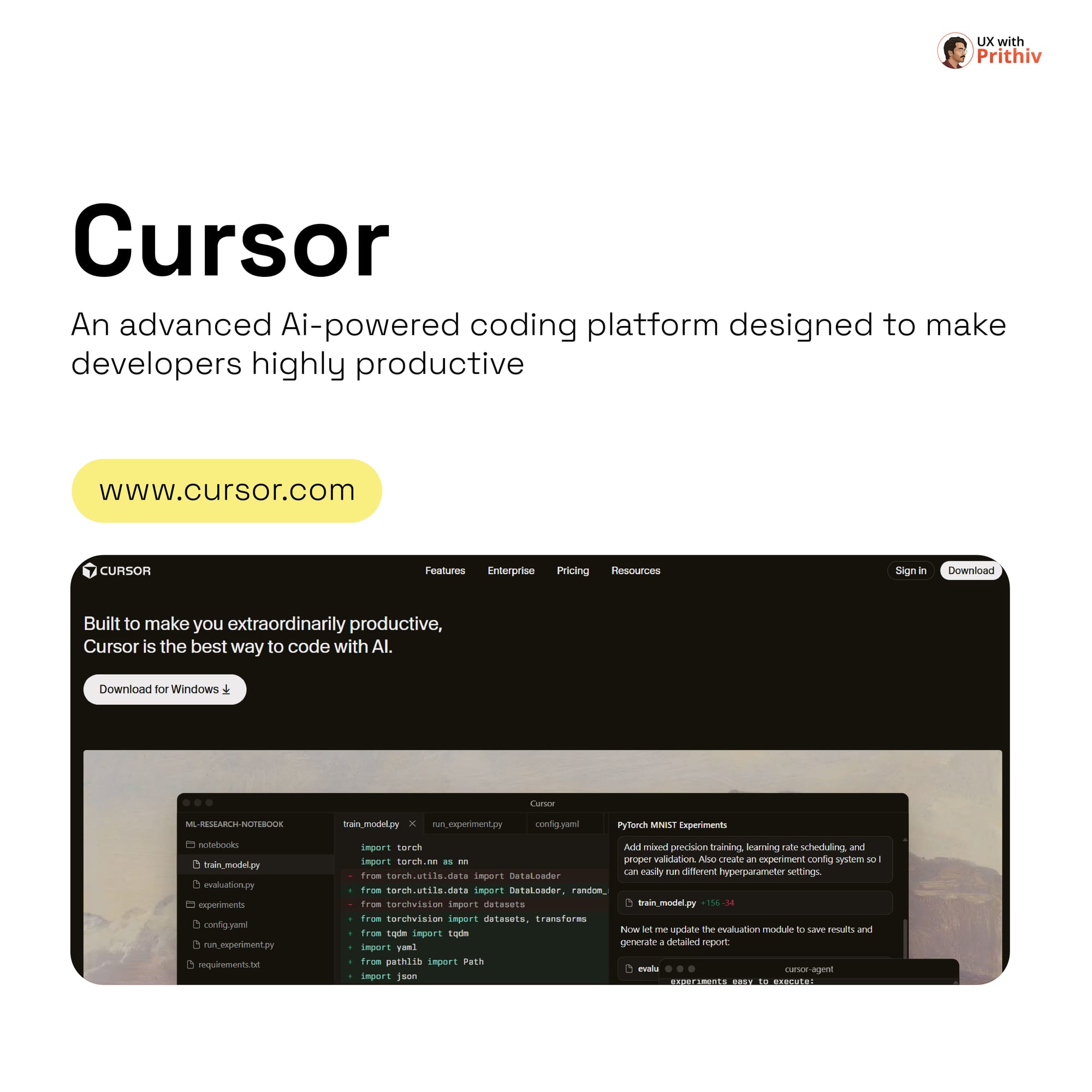
1. Cursor (AI-Powered Coding)
- What it is: An advanced coding platform enhanced by AI to make developers—and designers working with code—highly productive.
- Why it Matters: While designers shouldn't be expected to code, understanding and collaborating on code is crucial. Cursor helps teams quickly write, debug, and implement features, reducing friction between design handoff and final output.
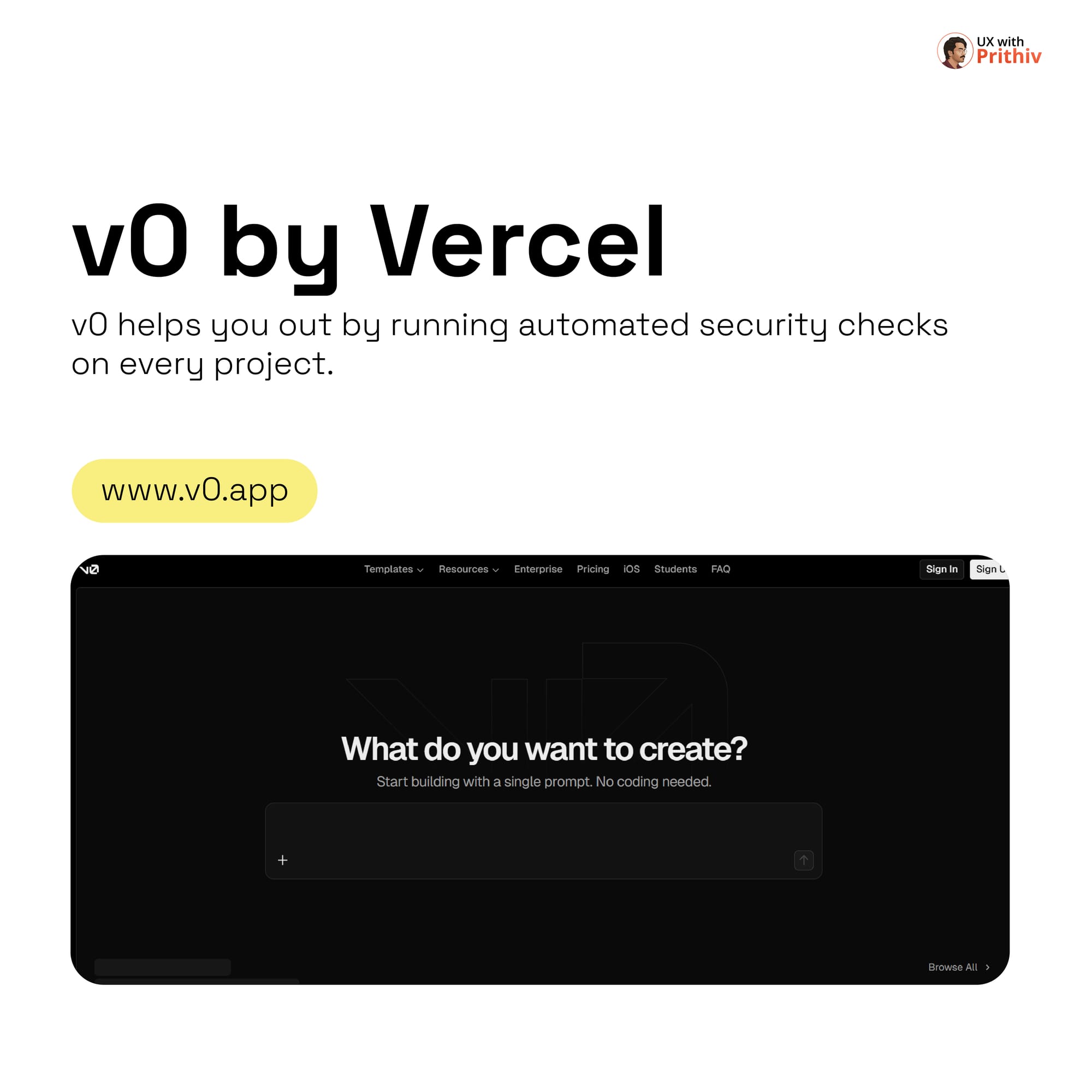
2. Vercel v0 (Frontend Generation)
- What it is: An AI-powered tool by Vercel that allows users to generate high-quality, full-stack website components and sections using natural language prompts.
- Why it Matters: This tool translates design concepts written in plain English into functional code (React/Tailwind), accelerating the prototyping and development phase. Designers can iterate on ideas in code faster than ever before.
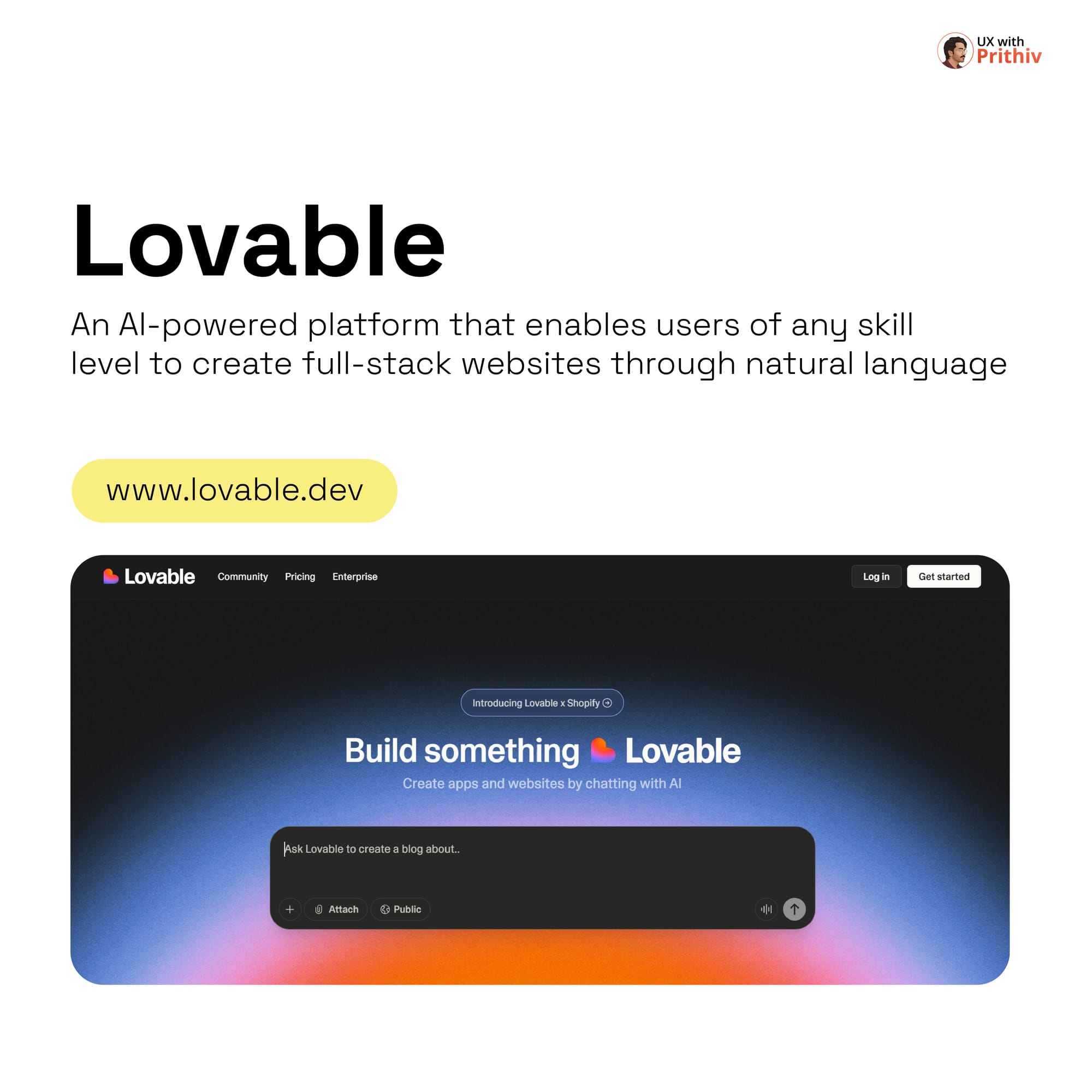
3. Lovable (Full-Stack Website Creation)
- What it is: An AI platform designed to let users of any skill level create full-stack websites and apps by simply chatting with the AI.
- Why it Matters: Lovable moves the designer closer to the final product. By creating through natural language, the focus remains on the user experience and content strategy, while the AI handles the complex coding, keeping the entire team in flow.
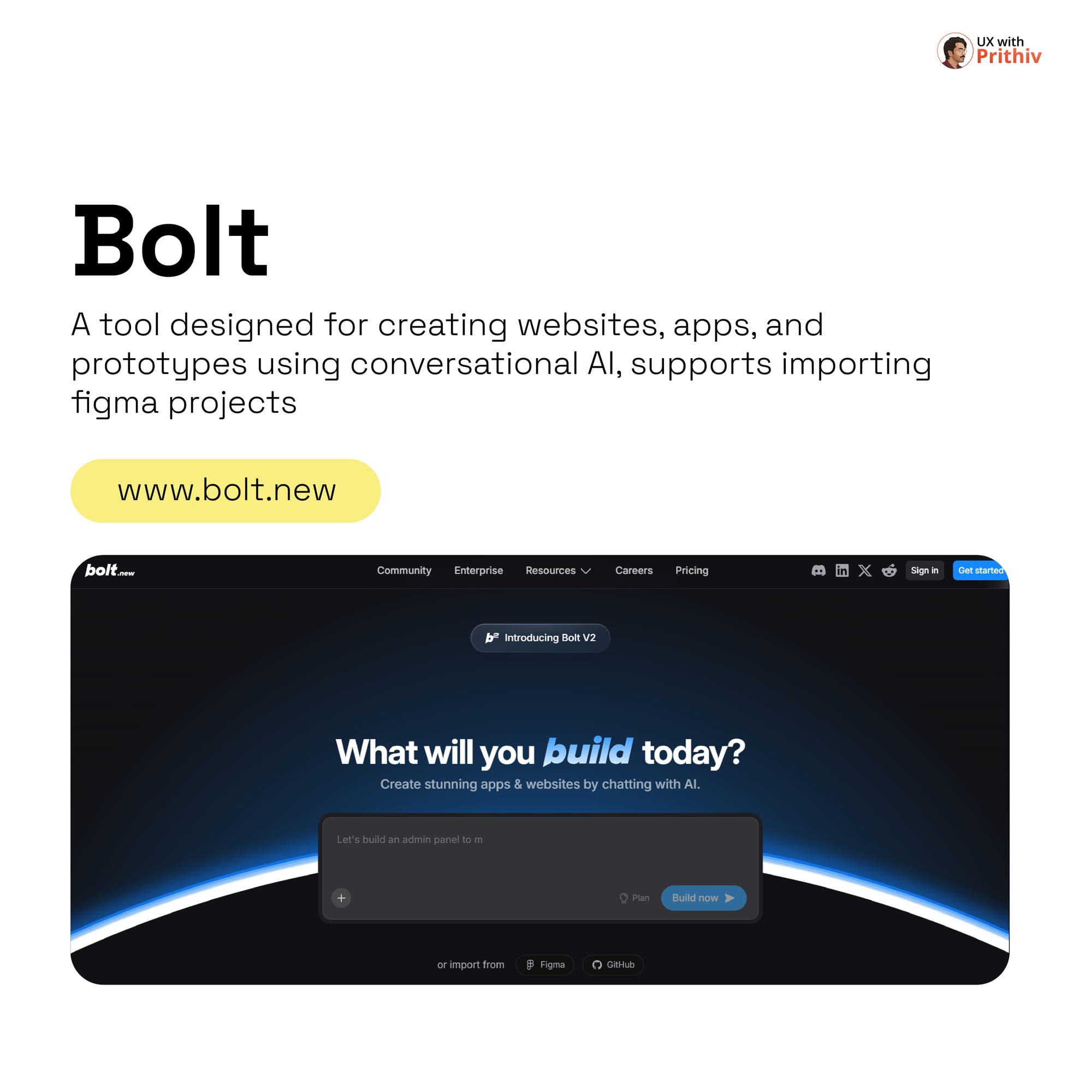
4. Bolt (Conversational Prototyping)
- What it is: A conversational AI tool for creating websites, apps, and prototypes. Crucially, it supports importing projects directly from Figma.
- Why it Matters: Bolt allows designers to start in their familiar environment (Figma) and then use AI to quickly build out interactive prototypes or final code, dramatically reducing the manual effort of translating a static design file into a dynamic experience.
The future of design isn't about ignoring code; it's about using AI to make code a seamless extension of the design process.


Comments