


As designers, we often focus on the latest tools and software updates. However, the most profound and lasting knowledge comes from timeless principles that pre-date Figma and Sketch. The best designers build their careers on a deep understanding of history, philosophy, and the essence of creation.
This curated list features essential reading that goes beyond surface-level UI tips to forge a robust design mindset:
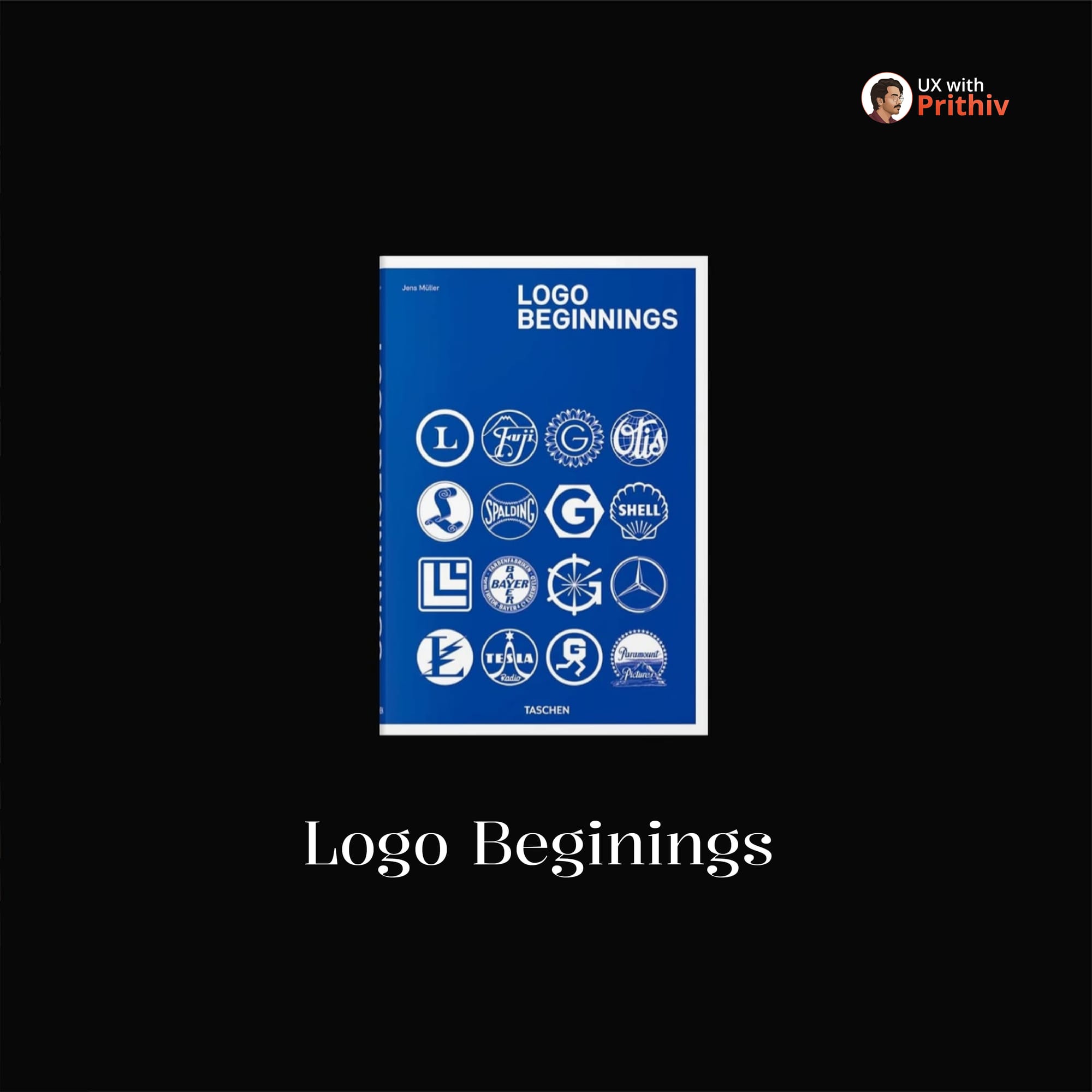
1. Logo Beginnings by Jens Müller
To design for the future, you must understand the past. Müller's work offers an invaluable historical context for visual identity. Understanding the origins and evolution of corporate marks like LG, Shell, and Bayer shows you how timeless visual communication works and the power of simplicity in branding.
2. Less But Better by Dieter Rams
This book is the foundational text for modern, minimalist, and functional design. Rams's ten principles (like good design is thorough, long-lasting, and makes a product useful) are a direct blueprint for every UI/UX designer today. It teaches you to focus on the essential and reject the superfluous—a critical skill in managing complex digital products.

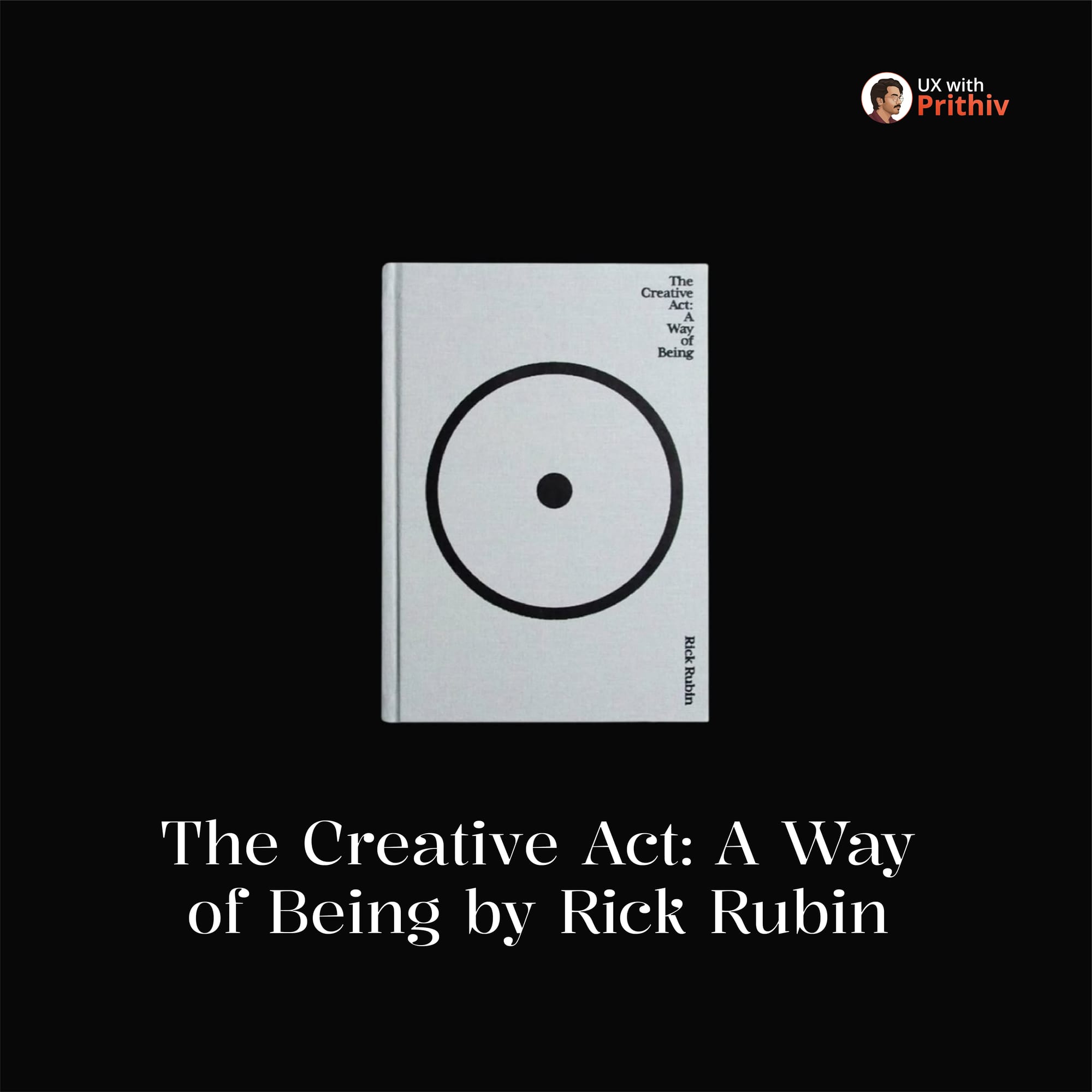
3. The Creative Act: A Way of Being by Rick Rubin
While not strictly a "design" book, Rick Rubin’s profound insights on the nature of creativity, intuition, and artistic process are game-changing for any designer. It's a reminder that design is a creative act before it is a technical one, helping you connect with your inner artistic source and conquer creative blocks.
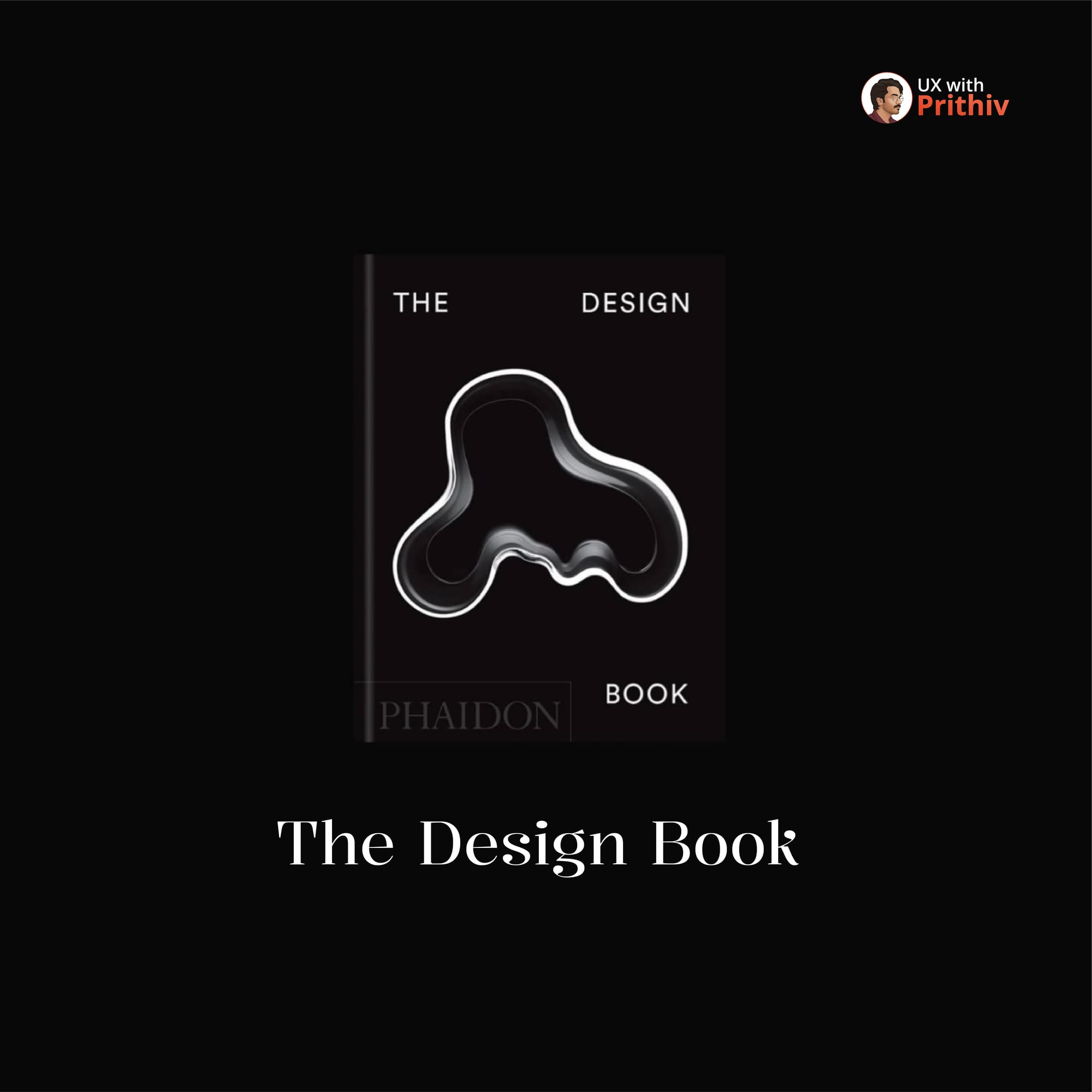
4. The Design Book (Phaidon)
The Design Book serves as a visual encyclopedia, providing an overview of 500 classic designs from the past 100 years. It’s an essential reference for building visual literacy and understanding how different objects and interfaces—from chairs to clocks to software—were conceived to solve human problems.
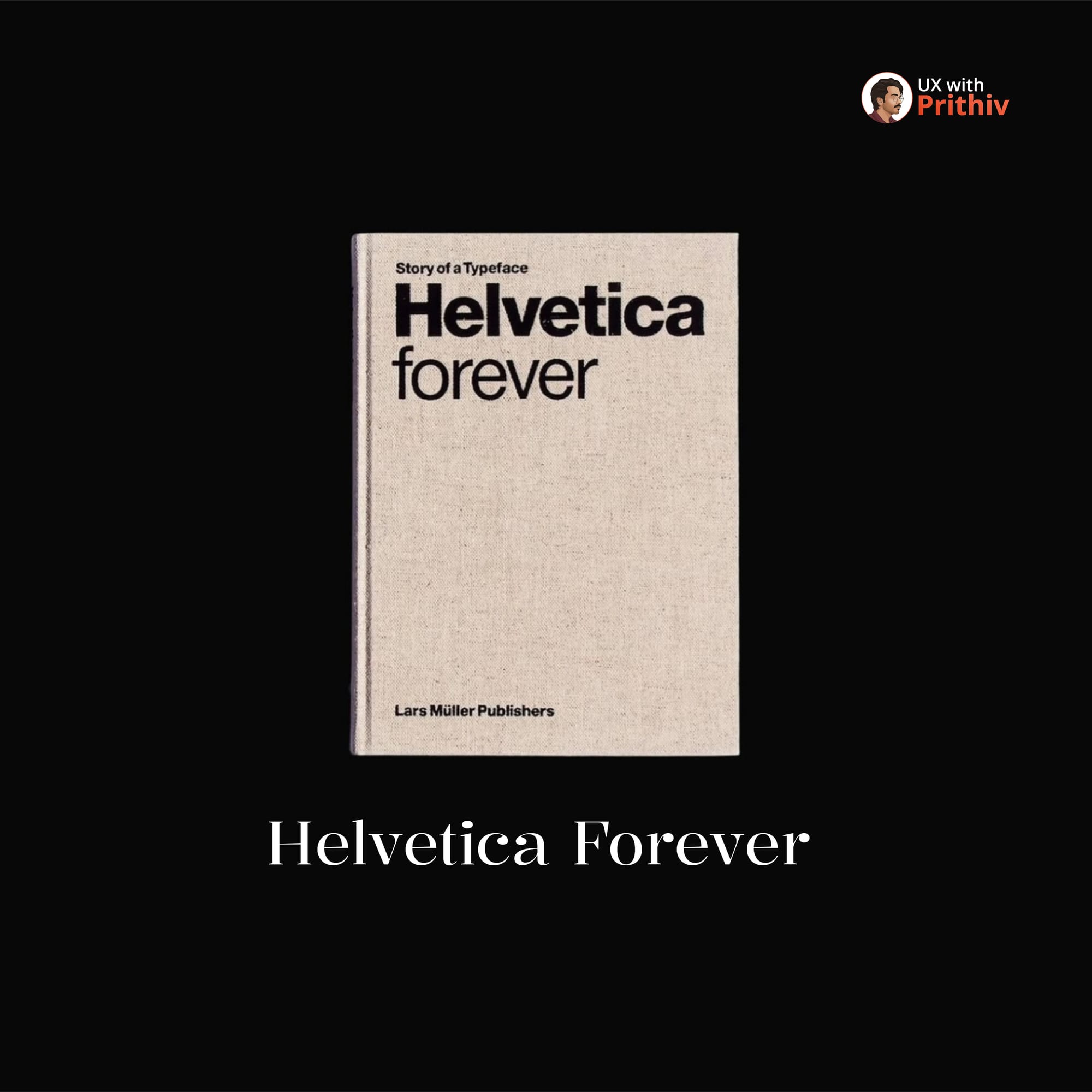
5. Helvetica Forever
For designers, a deep dive into typography is non-negotiable. This book focuses on the iconic typeface, Helvetica. By exploring its history, cultural impact, and structural anatomy, you gain an appreciation for the subtle power of type in conveying clarity, professionalism, and emotion in any interface.
These books are investments in your design mindset, not just your skillset. Start building your foundational knowledge today!


Comments