


Most website builders solve one problem:
Getting a website online quickly.
But they often create another problem.
Every website starts looking the same.
As AI continues to reshape product design, a new generation of tools is emerging — tools focused on design quality, visual systems, workflow efficiency, and creative control.
Recently, I came across five tools that demonstrate where web design may be heading next.
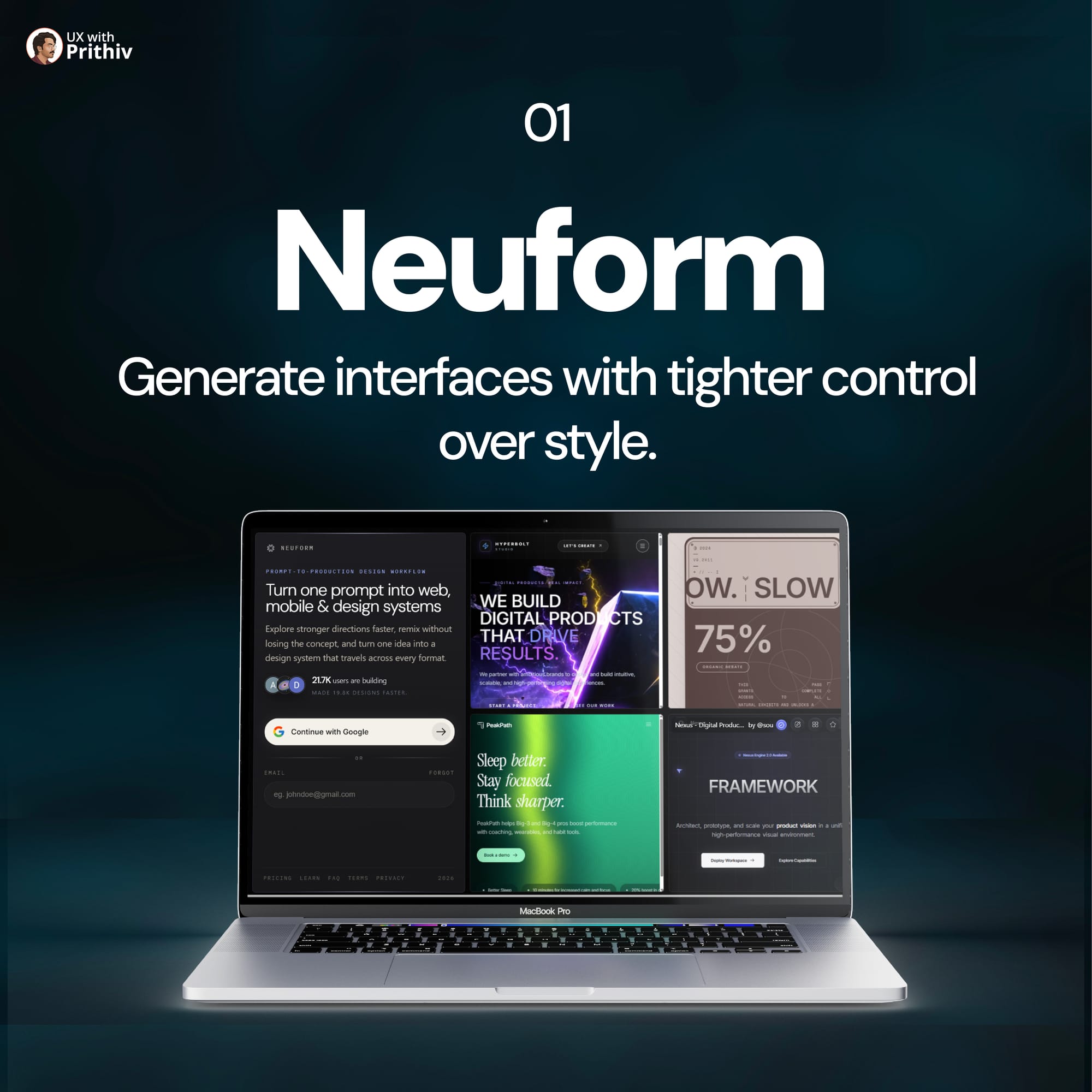
Neuform
Neuform focuses on generating interfaces while providing stronger control over visual style.
Rather than accepting generic outputs, designers can guide the aesthetic direction and maintain a stronger design identity.
This creates a better balance between automation and creativity.
Refero Styles
Design inspiration is valuable.
But actionable inspiration is even more valuable.
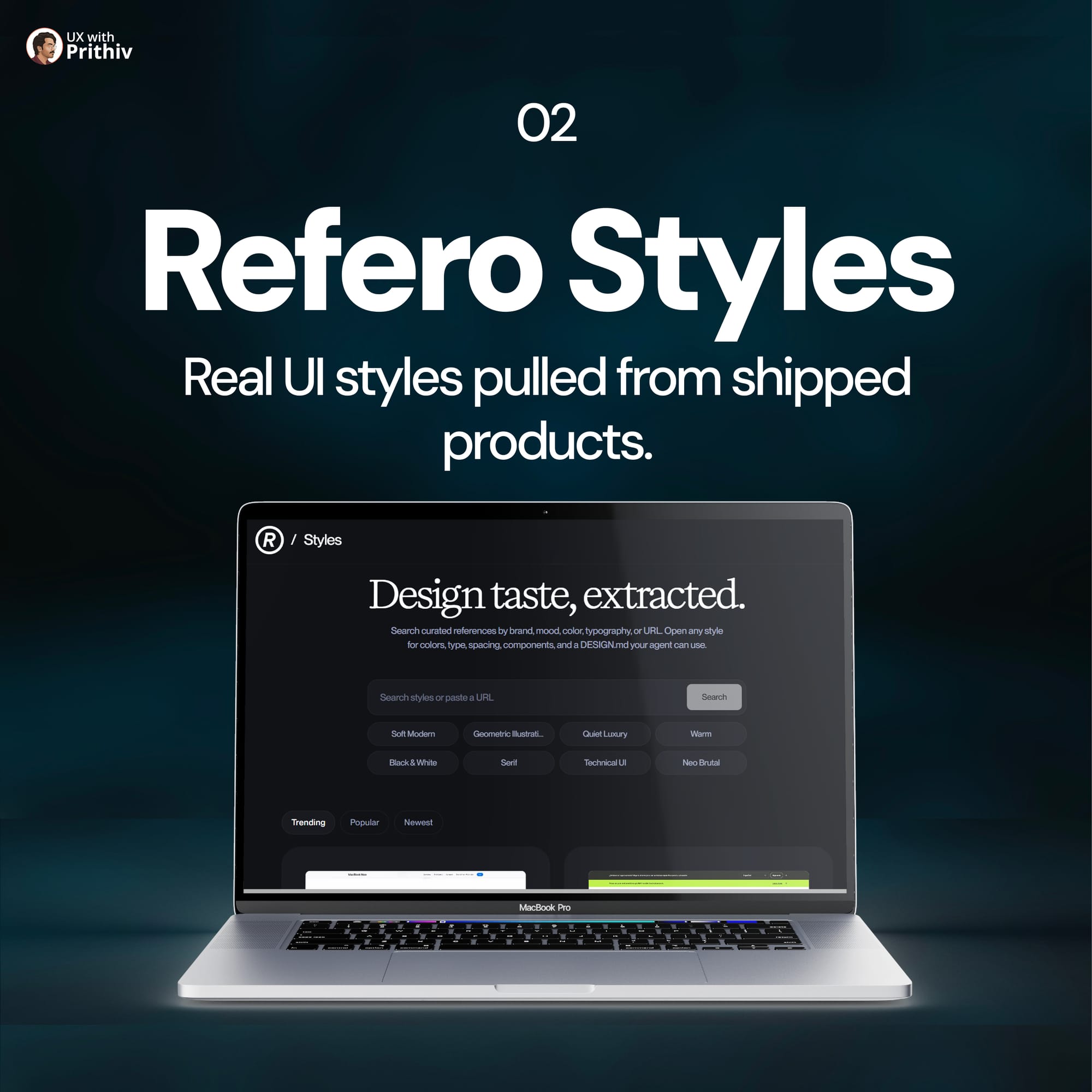
Refero Styles extracts styles from real-world products, helping designers understand the patterns behind successful interfaces.
It transforms inspiration into a practical design resource.
Brik
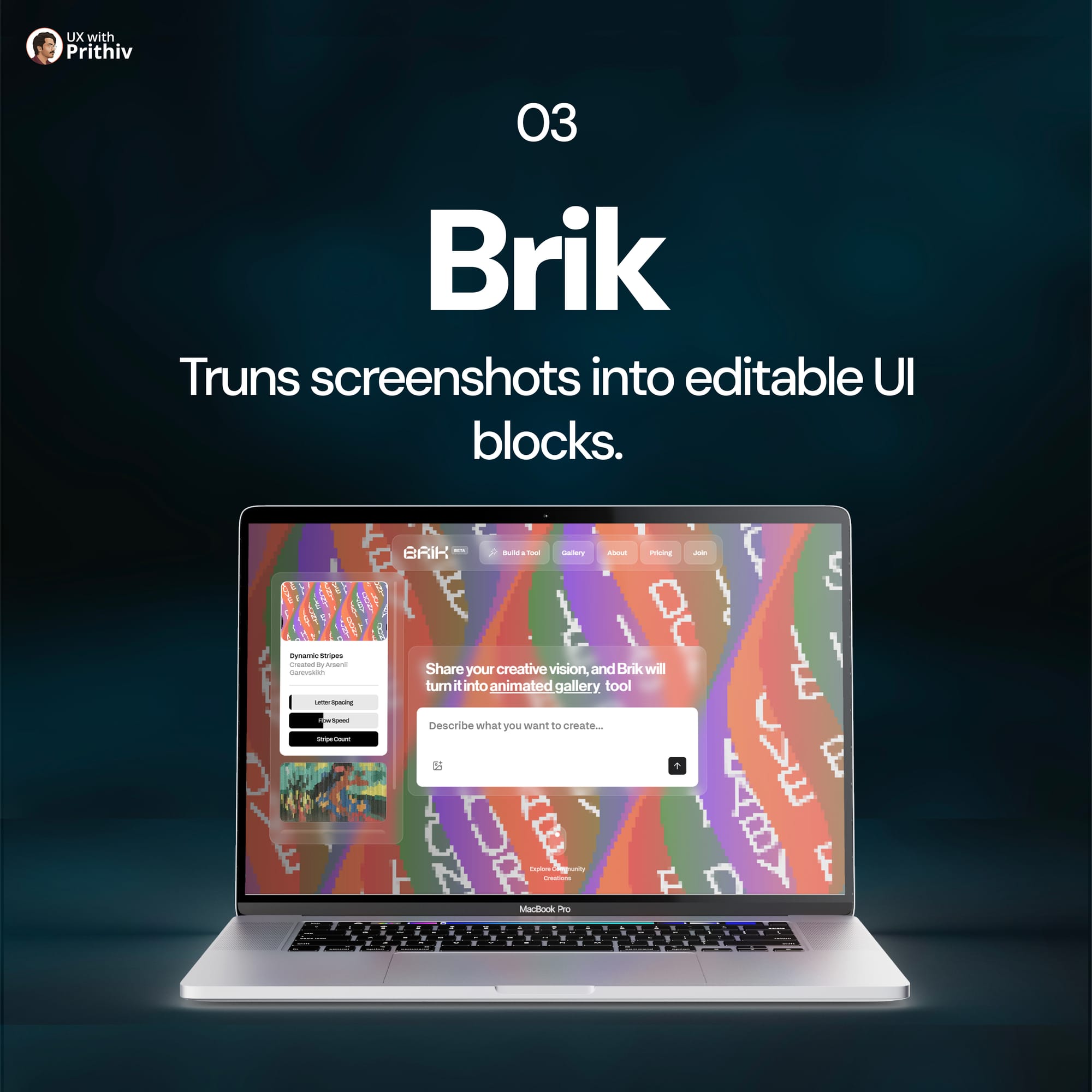
Brik allows designers to convert screenshots into editable UI blocks.
This dramatically speeds up exploration and iteration.
Instead of rebuilding existing patterns from scratch, designers can spend more time improving them.
Press enter or click to view image in full size
Aura
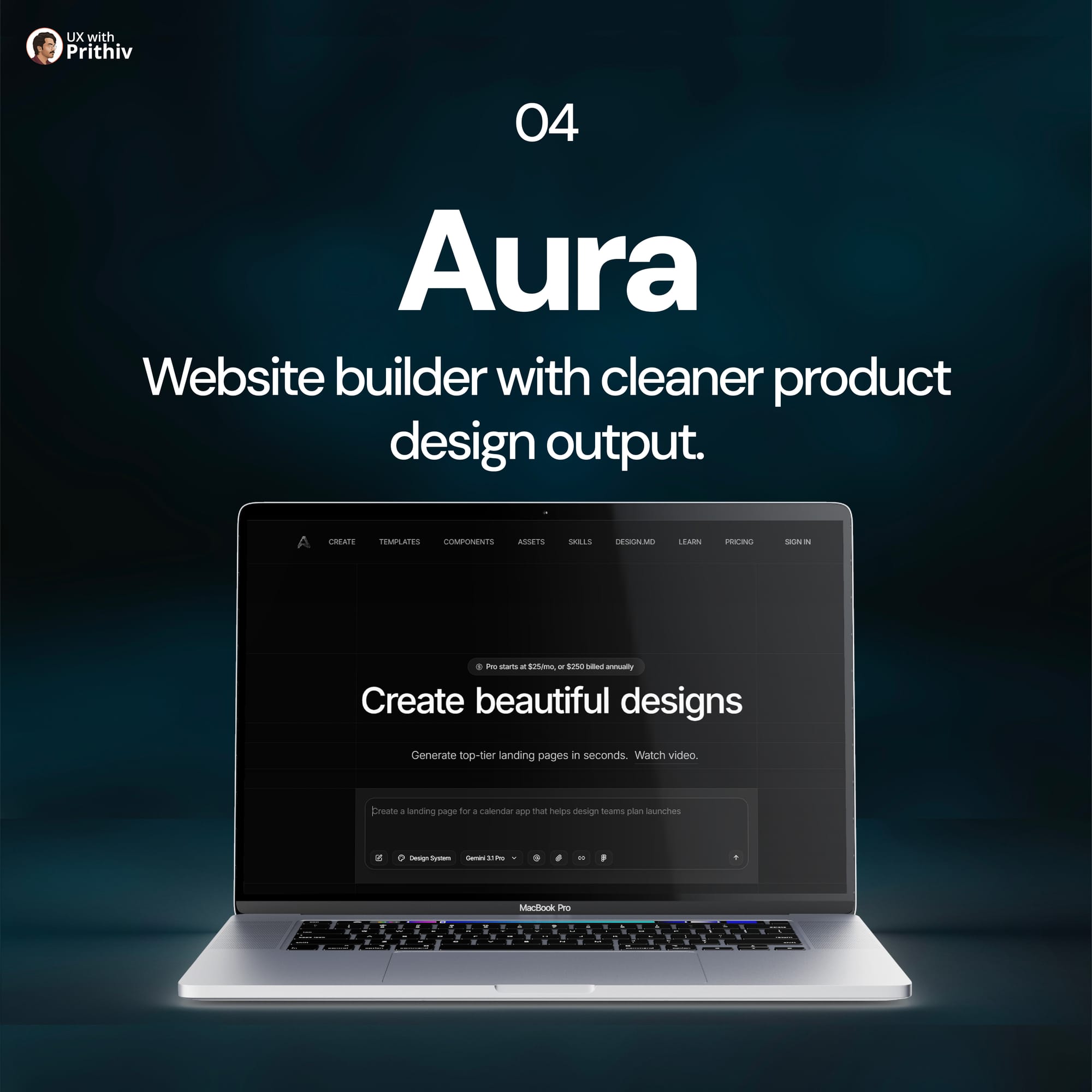
Aura focuses on creating cleaner, product-oriented design outputs.
Many AI builders optimize for visual appeal.
Aura appears to optimize for product communication and usability.
That difference is important when building products rather than marketing pages.
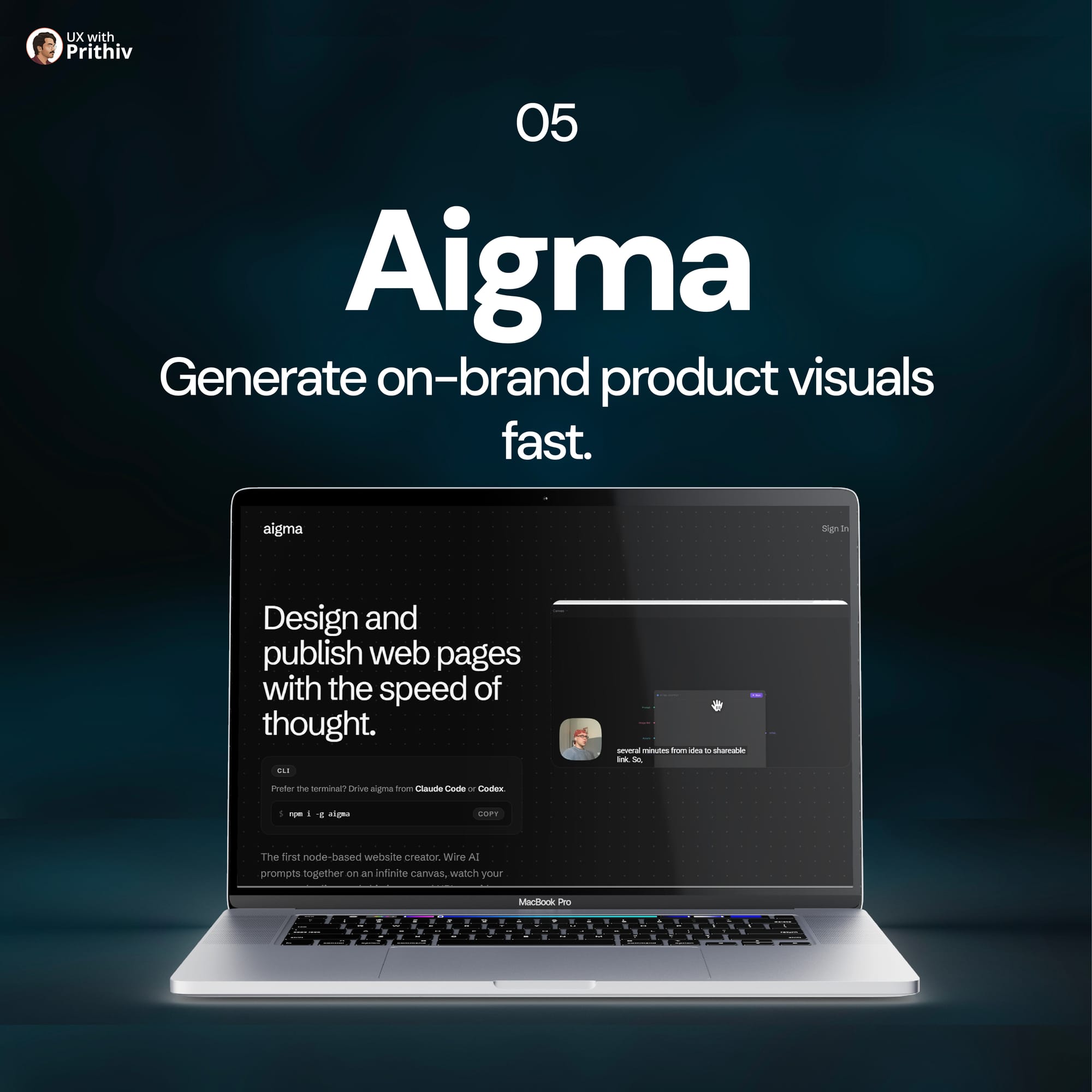
Aigma
Aigma helps generate on-brand product visuals at speed.
As companies scale across platforms and touchpoints, maintaining consistency becomes increasingly challenging.
Tools like Aigma demonstrate how AI can strengthen branding rather than dilute it.
Why This Matters
The evolution of design tools is not about replacing designers.
It’s about changing where designers spend their time.
Less time:
- Rebuilding layouts
- Repeating manual tasks
- Managing repetitive workflows
More time:
- Solving problems
- Understanding users
- Improving experiences
- Making strategic decisions
The most successful designers in the coming years will likely be those who embrace AI while continuing to strengthen their product thinking and UX fundamentals.
Because technology changes.
Human behavior doesn’t.
And understanding people remains the most important design skill of all.


Comments